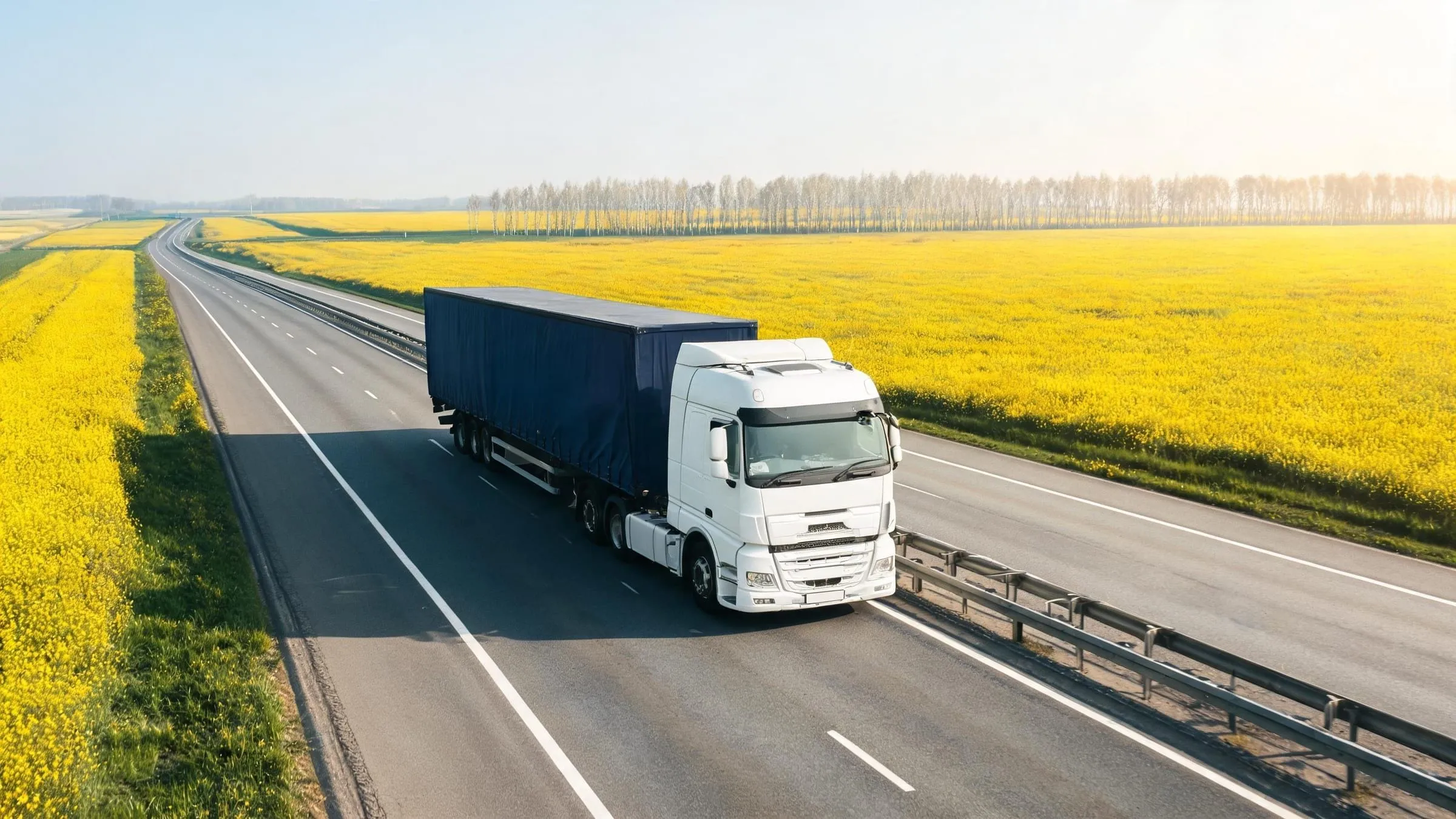
RNJ Transport arranges full truckloads for four kinds of customer: manufacturers and exporters, importers, logistics managers and companies without a logistics team. The trade term in your contract decides who books the truck. Each page shows how we work with that job: what you send us, what you get back and which routes fit.
The Incoterms 2020 rule in your sales contract decides who books the truck. Under EXW and FCA, the buyer books and pays the main transport. Under CPT and DAP, the seller does. RNJ Transport works for the side that books the truck, so the rule tells you which page to read first.
Write the rule, the full address and “Incoterms 2020” in the contract. Our Incoterms guide covers all seven rules that fit road freight.
Trade term, who books the truck and the page for you
Trade term
Who books and pays the truck
Who loads the truck
Page for you
EXW
The buyer
The buyer. The seller has no duty to load.
Importers
FCA at the seller’s premises
The buyer
The seller
Importers
CPT
The seller
The seller
Manufacturers and exporters
DAP
The seller
The seller
Manufacturers and exporters
Regular lanes or one truck now and then
How often you ship matters as much as the trade term. A logistics manager with regular lanes needs one call for next week’s volume and the same routine for every load. A company without a logistics team needs a short list of what to send and a price before loading. Both have their own page.
Every customer gets the same basics from RNJ Transport, whatever the page:
One contact person for the load, from the price to the invoice
A check of every partner carrier before every load
The truck and trailer numbers before loading
A copy of the signed CMR after delivery
One invoice from RNJ Transport, also when a partner carrier drives
Send us one load
Call us or send a request with the route, the date and the load size. Tell us the trade term too, so we know where we collect and deliver.